定制化网页应用开发
我们的服务
全定制系统开发
我们根据您的具体需求从零开发系统——不使用通用模板或千篇一律的解决方案。
工作流程自动化与效率优化
自动化重复任务,简化复杂流程,提高整体生产力并减少人为错误。
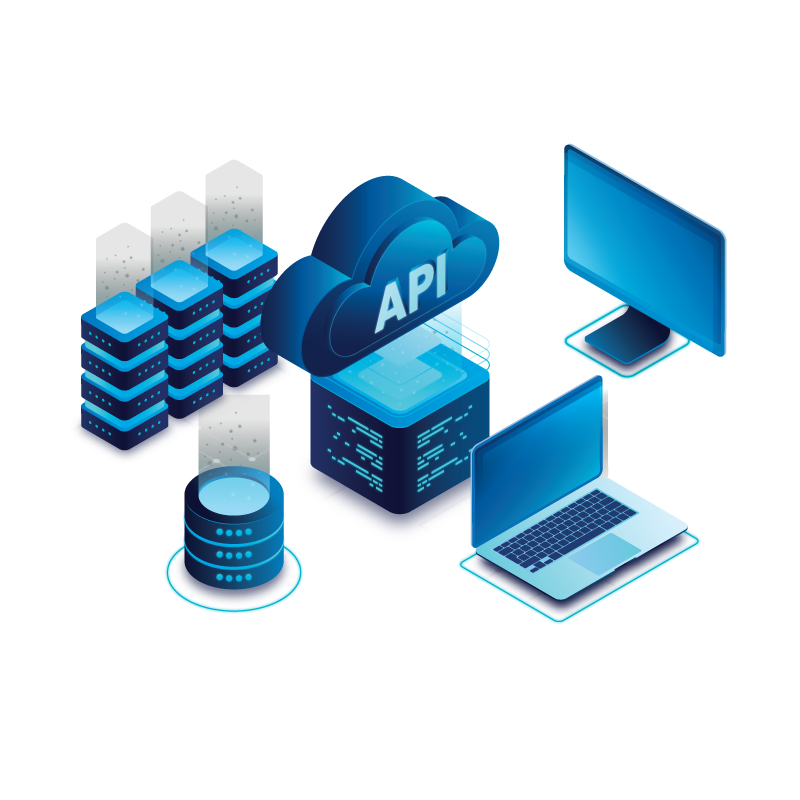
API 与第三方集成
我们可集成支付网关、物流服务、会计系统、CRM、ERP、物联网设备及其他平台。
安全与基于角色的访问控制
我们的系统包含权限等级、数据加密、审计日志及安全认证,保护企业数据安全。
多语言与多区域支持
适合拓展新市场的企业,支持本地化与多区域管理。


为何选择 ITEA
超过 10 年的系统开发经验
服务 300+ 各行业客户,专注于企业级架构、模块化系统以及长期支持。
规范的项目管理
从需求分析到 UI/UX、开发、测试、部署及维护——我们遵循清晰且经过验证的流程。
可扩展架构
我们的系统可随企业发展轻松扩展,并随时升级功能。
跨平台兼容性
响应式网页应用及后端 API,可无缝对接移动应用或外部系统。

核心功能
- 定制化管理后台
量身打造的仪表板、分析报表及权限功能,符合您的工作流程。 - 工作流程引擎
支持审批流程、订单管理、发票处理、服务请求及其他流程驱动的操作。 - 会员系统与角色管理
多级会员账户、角色权限控制及验证流程。
- ERP / CRM 集成
与会计软件、仓储系统、供应链平台等实现无缝对接。 - 通知与消息系统
自动发送电子邮件、WhatsApp 或短信通知,用于更新、提醒及工作流警报。 - 可扩展 API 架构
可与移动应用、外部系统及未来 IT 扩展无缝集成。
开发流程
1
需求分析
研究您的工作流程、目标及痛点,制定量身定制的系统蓝图。
2
UX/UI 设计
制作线框图和界面设计,确保用户体验流畅和界面清晰。
3
系统开发
基于安全且可扩展的架构进行模块化前后端开发。
4
测试与用户验收
进行功能测试、集成测试及用户验收测试,确保系统可靠。
5
部署与培训
负责系统上线、服务器设置,并为团队提供培训。
6
持续支持与维护
提供持续更新、漏洞修复、功能增强及技术支持。
案例研究
企业工作流 / 工单系统K
为制造业客户自动化内部流程,减少 40% 的人工操作。
物流追踪平台
构建多角色追踪系统,整合状态更新、配送数据及实时通知。
预订与预约系统
供诊所、学校及服务提供商使用,支持实时可用性和支付功能。
会员电商 + ERP 集成
开发基于积分和等级的电商系统,集成会计系统,并提供销售分析。
常见问题
1. 开发一个定制应用需要多久?
通常为 2–6 个月,具体取决于系统复杂度及所需模块。
2. 后期可以添加新功能吗?
可以。我们的架构支持长期扩展及持续功能升级。
3. 是否支持第三方 API 集成?
完全支持——包括主流支付、物流、会计、CRM 和 ERP API。
4. 上线后提供支持吗?
提供。我们提供年度维护、漏洞修复、功能增强及系统监控服务。.